Beat the Clock
50 titles, checked one by one.The same board, except the clock is running and it will not wait. This section suits players who prefer a quick decision to a long reflection: sixty seconds, one goal, and hands that must move before the thinking has finished. Every title here grants extra time after a big match, so speed still pays.
 Geometry Dash UnblockedBeat the Clock
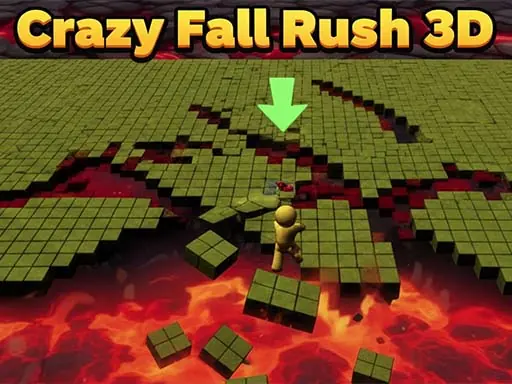 Crazy Fall Rush 3DBeat the Clock
 Going Balls 3DBeat the Clock
 Rush Royale Tower Defense TdBeat the Clock
 Poly RushBeat the Clock
 Obby: Climb and SlideBeat the Clock
 Nail Run Bridge GameBeat the Clock
 GeometryRushBeat the Clock
 Zombies RushBeat the Clock
 Baby Cat DaycareBeat the Clock
 Reckless Getaway 2: Car ChaseBeat the Clock
 Helix RushBeat the Clock
 Basic Physics Single ChoiceBeat the Clock
 Snake Block RushBeat the Clock
 Get On BoardBeat the Clock
 Mickey Run Adventure GameBeat the Clock
 Duckling Rush.ioBeat the Clock
 Penguin Runner GameBeat the Clock
 Kamal Click and DanceBeat the Clock
 Cash Climb RushBeat the Clock
 Bubble Shooter Relaxing PuzzleBeat the Clock
 Obby 30: Color RushBeat the Clock
 Slash Blitz MasterBeat the Clock
 Sugar Rush TowerBeat the Clock
How Beat the Clock plays in the browser
Every title here grants extra time after a big match, so speed still pays.
All 50 games in this section run inside the tab: no install, no account, no download. Tap a title and the game opens on this same page.
- One tab, one game. Close the tab and the session is over.
- Finger controls or keyboard, depending on the title.
- Scores stay in this browser, so there is no account to maintain.
Three titles to open first
Picked from the 50 titles in this section.
- Geometry Dash UnblockedGeometry Dash Unblocked is a browser Beat the Clock game you can…
- Crazy Fall Rush 3DOpen Crazy Fall Rush 3D and you are already playing — no login…
- Going Balls 3DGoing Balls 3D is one of the easier Beat the Clock games to get…
An older phone is enough
Every title here is built for a phone screen. Pages open in a couple of seconds on a mid-range handset, and you can close the tab without losing anything.
Splitting time in a timed mode
Timed modes are rarely won by the fastest player; they are won by the one who stops chasing score on time.
| Time left | Action |
|---|---|
| 45 to 30 seconds | Finish the target that needs one more hit |
| 30 to 15 seconds | Stop chasing power fours; a plain three is enough |
| 15 to 5 seconds | Look for matches near the bottom, not the middle |
| Last 5 seconds | Take one certain match instead of starting a cascade |
| 20 to 10 seconds | Clear one colour with a vertical match |
| Under 10 seconds | Stop counting score, finish one target |
| After time ends | Note the targets left for the next session |
| 20 to 10 seconds | Clear one colour with a vertical match |
| Under 10 seconds | Stop counting score, finish one target |
| After time ends | Note the targets left for the next session |
| 20 to 10 seconds | Clear one colour with a vertical match |
| Under 10 seconds | Stop counting score, finish one target |
| After time ends | Note the targets left for the next session |
| After a shuffle | Reread the top three colours before continuing |
The usual mistake in Beat the Clock is chasing a high score in the last twenty seconds and running out of moves.
Questions players actually ask
Why do I fail timed levels that I can finish calmly?
Because time pressure changes your move selection, not your skill. Under a clock you take the first available match instead of the best one, and the board degrades. Deliberately spend the first three seconds reading, then move fast.
Should I rush the opening moves to build a lead?
No. In a timed board the first three moves decide the shape of everything that follows, so they are the worst place to save a second. Read for two seconds, then move quickly once the shape is clear.
Why does the timer seem to run during animations?
Because in most versions here it does. Cascades and special-tile animations are not free time. That is the hidden cost of a big combo: it looks like a reward and it eats the clock. On a tight level, avoid setting off long chains.
What do I do in the last ten seconds when I am clearly losing?
Stop optimising and take the highest-value move, even if it wrecks the board. Timed levels reward points, not a tidy finish. Players who keep building structure in the last ten seconds finish neat and short.
Why do timed levels feel easier on the second attempt?
Because you already know the layout, and layout knowledge removes most of the reading time. That is the intended learning curve, not cheating. Treat the first attempt as reconnaissance and the second as the real run.
Is it better to pause or keep playing?
Keep playing, unless the pause is a real pause. Most timers here keep running when you stop, so a paused player loses the same seconds as a slow one and gains nothing. If there is a genuine pause button, use it to plan, not to rest.
Why do I mis-tap in speed rounds?
Because your thumb aims at where the tile was rather than where it is. Slow each tap by a quarter second and the accuracy gain pays for the delay. Speed rounds are lost to errors, not to hesitation.
How many moves should I plan ahead in a timed board?
One, plus one contingency. Deep planning is a luxury the clock does not afford. What matters is that every move has an obvious follow-up; a move with no follow-up is wasted even if it scores.
Why is the target score so much higher on timed levels?
Because points per second is the metric, and the target assumes continuous clearing. The way to reach it is not faster tapping but longer chains - one good cascade beats ten quick threes.
Does the timer stop when the game loads?
Usually not, which is why a slow connection can cost a whole round. If the first attempt after opening a tab is consistently worse, the assets were still loading. Play one warm-up round and start scoring on the second.
Player notes
The timer runs through the animations. That one fact explains why my big combos were losing me levels.
Player note, timed-level grinder
I stopped planning in the first three seconds and started reading. Same speed, twice the score.
Player note, plays blitz puzzles at lunch
The second attempt is always better because you already know the layout. I treat the first one as a rehearsal now.
Player note, competitive time-trial player
Quoted and condensed from public player discussions; names shortened.
Common questions
- Do I need an account to play?
- No. All 50 games in this section play without registration: no email, no password, no verification step.
- How long does one session take?
- Most titles finish in three to ten minutes, which fits a break without leaving anything half-done.
- Is my score saved?
- Your best score stays in this browser as long as site data is not cleared. No account also means no sync across devices.